
Warwick Mulching Services
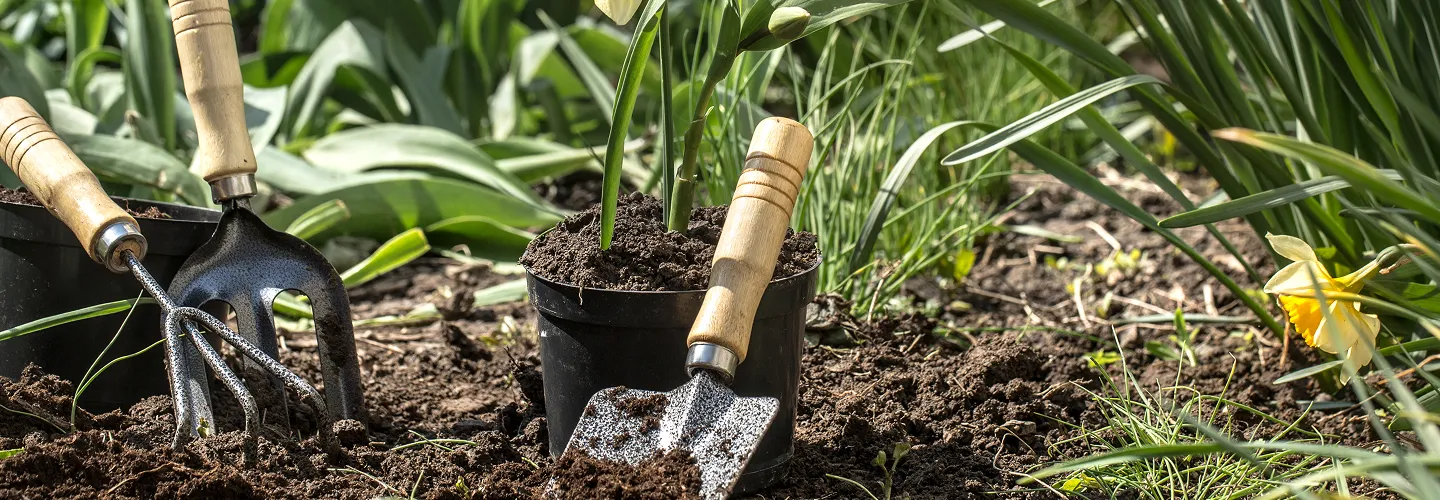
Choose our mulching services for healthier soil, improved moisture retention, and a beautiful, weed-free landscape—delivered by experienced professionals who care about your yard’s long-term health.
Get a Free QuoteOur Warwick Landscaping & Yard Care Services
When to Schedule Mulching in Warwick, Rhode Island – Seasonal Guide
In Warwick, Rhode Island, the best time to schedule mulching is typically in early spring or late fall, when the ground is workable and before extreme temperatures set in. Spring mulching, ideally done after the last frost but before the heat of summer, helps retain soil moisture and suppress weeds as plants begin their active growth. Fall mulching, on the other hand, insulates roots against winter cold and prepares your landscape for the coming season. Neighborhoods near Goddard Memorial State Park or along the Pawtuxet River often experience unique microclimates, with shaded lots and varying soil types that can influence the ideal timing for mulching.
Local environmental factors such as Warwick’s moderate humidity, risk of late spring frosts, and occasional summer droughts all play a role in determining when to mulch. Properties in areas like Apponaug or Cowesett may have heavier clay soils, while those closer to Oakland Beach might contend with sandy, well-drained ground. It’s also important to consider municipal guidelines and local best practices, which you can find on the city’s official website, to ensure your mulching schedule aligns with any community restrictions or recommendations.
Local Factors to Consider for Mulching in Warwick
- Tree density and shade coverage in your yard
- Soil type (clay, loam, or sand) and drainage
- Average precipitation and risk of drought
- Proximity to coastal areas or flood zones
- Municipal restrictions or neighborhood association guidelines
- Terrain slope and risk of erosion
Benefits of Mulching in Warwick
Enhanced Soil Moisture Retention
Weed Growth Suppression
Improved Curb Appeal
Temperature Regulation for Plant Roots
Reduced Soil Erosion
Nutrient-Rich Soil Enrichment
Warwick Mulching Types

Bark Mulch
-
Wood Chip Mulch
-
Straw Mulch
-
Compost Mulch
-
Pine Needle Mulch
-
Gravel Mulch
-
Rubber Mulch
Our Mulching Process
Site Evaluation
Soil Preparation
Mulch Selection
Mulch Application
Final Inspection
Why Choose Warwick Landscape Services
-
Warwick Homeowners Trust Us
-
Expert Lawn Maintenance
-
Reliable Seasonal Care
-
Competitive Pricing
-
Professional Team
-
Satisfaction Guarantee
-
Personalized Service
Mulching and Soil Health in Warwick’s Glacial Till and Coastal Sandy Soils
Mulching practices in Warwick must account for the city’s predominant Inceptisols and Udults, which include glacial till (rocky, moderately acidic, pH 5.5-6.5) and coastal sandy soils with poor drainage in low-lying areas. Proper mulch application—2-3 inches of organic material, such as shredded bark or leaf compost—helps retain soil moisture, moderate temperature, and suppress weeds. For optimal results, incorporate compost into the top 6 inches of soil, especially in areas with excessive drainage or compaction. Soil testing is recommended every 2-3 years to monitor pH and nutrient levels; tests are available through the University of Rhode Island Cooperative Extension. Mulch should be kept 2-3 inches away from tree trunks to prevent rot. For detailed soil mapping, consult the USDA Web Soil Survey.
Municipal Mulch Disposal and Collection Protocols in Warwick
Warwick’s Department of Public Works oversees yard waste collection and mulch disposal, with weekly curbside pickup every Thursday from April through November. Residents must use biodegradable paper bags or 32-gallon reusable bins; plastic bags and branches over 4 inches in diameter are prohibited. Accepted materials include leaves, grass clippings, and brush under 4 feet in length. Mulch generated from city yard waste is often repurposed for municipal landscaping projects. For large quantities, residents may deliver material to the city’s composting facility during posted hours. Violations of collection protocols may result in fines under city ordinance. For up-to-date schedules and regulations:
Warwick RI Department of Public Works
925 Sandy Lane, Warwick, RI 02889
Phone: (401) 738-2000
Official Website: Warwick RI Department of Public Works
Environmental Compliance: Mulching Near Warwick Wetlands and Waterways
Mulching activities adjacent to Warwick’s wetlands, streams, and conservation areas must comply with local and state environmental regulations. A 25-foot no-disturbance buffer is required from the edge of wetlands, and no mulch or yard waste may be deposited within this zone. The city’s MS4 permit, issued under the Clean Water Act, prohibits organic debris from entering storm drains or water bodies. The Rhode Island Environmental Rights Act further restricts activities that may impact water quality. For guidance on buffer zones and protected areas:
Warwick RI Wildlife & Conservation Commission
3275 Post Road, Warwick, RI 02886
Phone: (401) 738-2000
Official Website: Warwick RI Wildlife & Conservation Commission
Equipment Operation and Safety Standards for Mulching in Warwick
All mulching equipment used in Warwick must comply with city noise ordinances and safety protocols. Permitted operation hours are:
- Monday-Friday: 7:00 AM - 7:00 PM
- Saturday: 8:00 AM - 6:00 PM
- Sunday and holidays: Prohibited Commercial operators must use equipment with functioning mufflers and maintain noise levels below 85 decibels at property lines. Personal protective equipment (PPE) is required, including ANSI Z87.1 safety glasses, hearing protection for noise above 85 dB, steel-toed boots, and cut-resistant gloves. When working near public roads, high-visibility vests and traffic cones are mandatory. For code enforcement and additional safety requirements:
Warwick RI Building Department
3275 Post Road, Warwick, RI 02886
Phone: (401) 738-2000
Official Website: Warwick RI Building Department
Optimal Mulching Timing and Climate Considerations for Warwick’s USDA Zone 6b-7a
Warwick’s climate, classified as USDA Hardiness Zone 6b-7a, features cool springs and mild autumns, making early May and late September the best periods for mulch application. Soil temperatures should be above 50°F for effective microbial activity. Avoid mulching during June-August, when heat and humidity can promote fungal growth. Monitor local weather forecasts through the National Weather Service Boston/Norton office to plan around rainfall and temperature fluctuations. Annual mulch replenishment is recommended, with 2-3 inches applied each season. For plant-specific timing, consult the USDA Plant Hardiness Zone Map.
What Neighborhoods Do We Serve Throughout Warwick, RI?
- Apponaug: Features older residential lots with compacted glacial till soils and moderate drainage, requiring careful mulch selection to prevent runoff into Apponaug Cove.
- Cowesett: Characterized by larger lots and mature tree canopies, where mulching helps retain soil moisture and manage leaf litter in shaded areas.
- Oakland Beach: Coastal sandy soils and proximity to Greenwich Bay necessitate erosion control and strict adherence to wetland buffer regulations.
- Norwood: Dense development and smaller yards with fill soils; mulching supports soil health and reduces compaction from foot traffic.
- Greenwood: Suburban area with mixed soil types and moderate slopes, where mulch is used to stabilize beds and prevent soil erosion.
- Pawtuxet Village: Historic district with mature landscaping and proximity to the Pawtuxet River, requiring compliance with conservation area guidelines and careful organic debris management.
- Potowomut: Bordering conservation land and salt marshes, this area demands special attention to buffer zones and native mulch materials to protect sensitive habitats.