
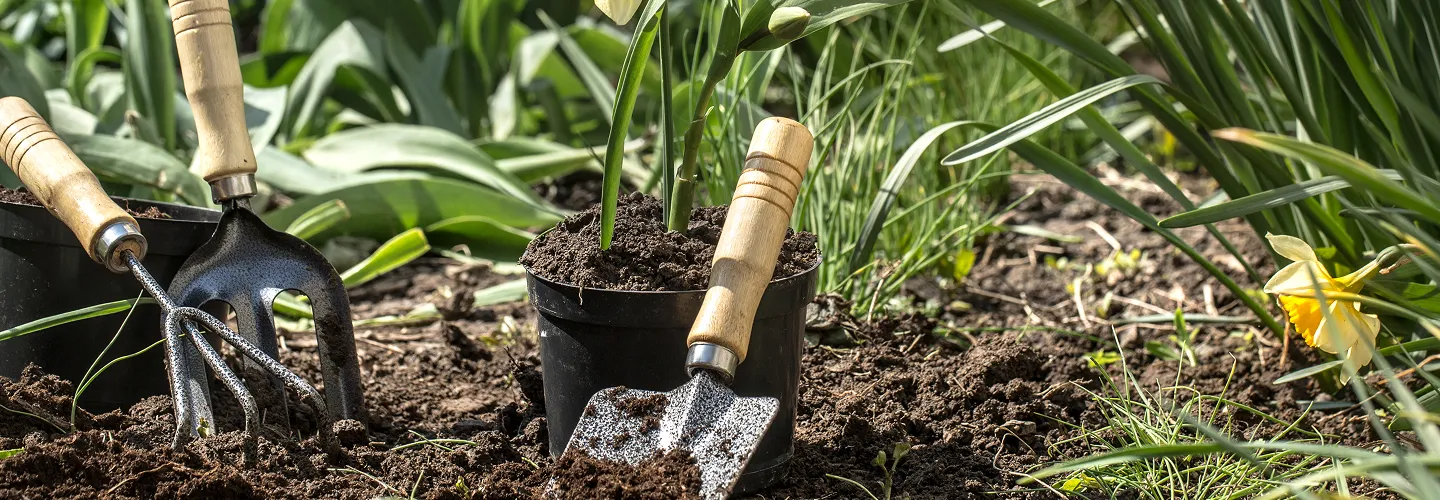
Warwick Hedging Services
Choose our expert hedging services for precision, reliability, and lush, healthy boundaries that elevate your property's privacy and curb appeal.
Get a Free QuoteOur Warwick Landscaping & Yard Care Services
When to Schedule Hedging in Warwick, Rhode Island – Seasonal Guide
In Warwick, Rhode Island, the best times to schedule hedging are typically late spring and early fall. These periods align with the region’s moderate temperatures and reduced risk of frost, which is especially important for neighborhoods near Conimicut Point and the Pawtuxet Village area. Hedging during these windows helps promote healthy regrowth and minimizes plant stress, as the soil retains moisture from spring rains and the humidity is less intense than in midsummer.
Local environmental factors play a significant role in determining the optimal hedging schedule. For example, areas with dense shade from mature maples in Governor Francis Farms may require different timing than sunnier lots near Oakland Beach. Warwick’s proximity to Narragansett Bay also means that coastal breezes and salt exposure can affect plant health. It’s important to consider municipal guidelines and local resources, such as those provided by Sudbury’s municipal site, when planning your landscape maintenance.
Local Factors to Consider for Hedging in Warwick
- Tree density and shade coverage in your neighborhood
- Soil type and drainage, especially in low-lying areas
- Average precipitation and drought risk during summer months
- Proximity to the bay and exposure to salt air
- Municipal restrictions or recommended maintenance windows
- Terrain and accessibility for equipment
Benefits of Hedging in Warwick
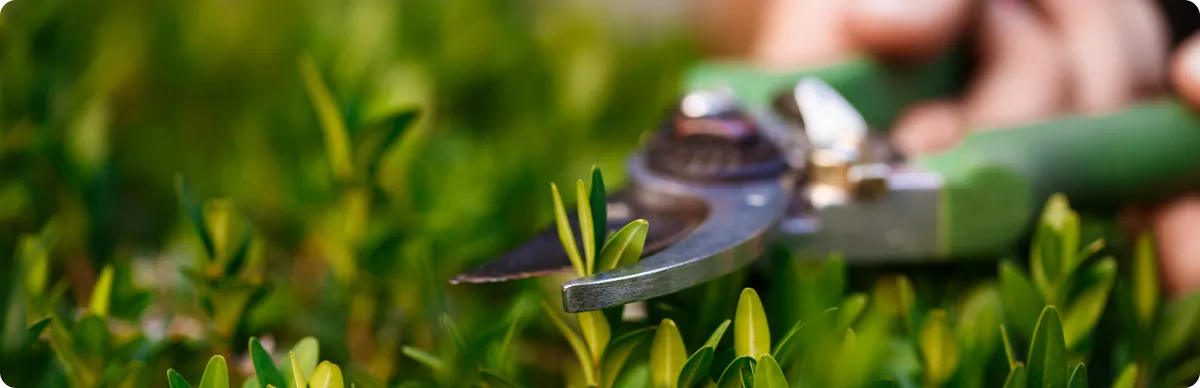
Enhanced Curb Appeal
Increased Property Value
Professional Hedge Shaping
Expert Local Knowledge
Reliable Scheduling
Comprehensive Maintenance Services
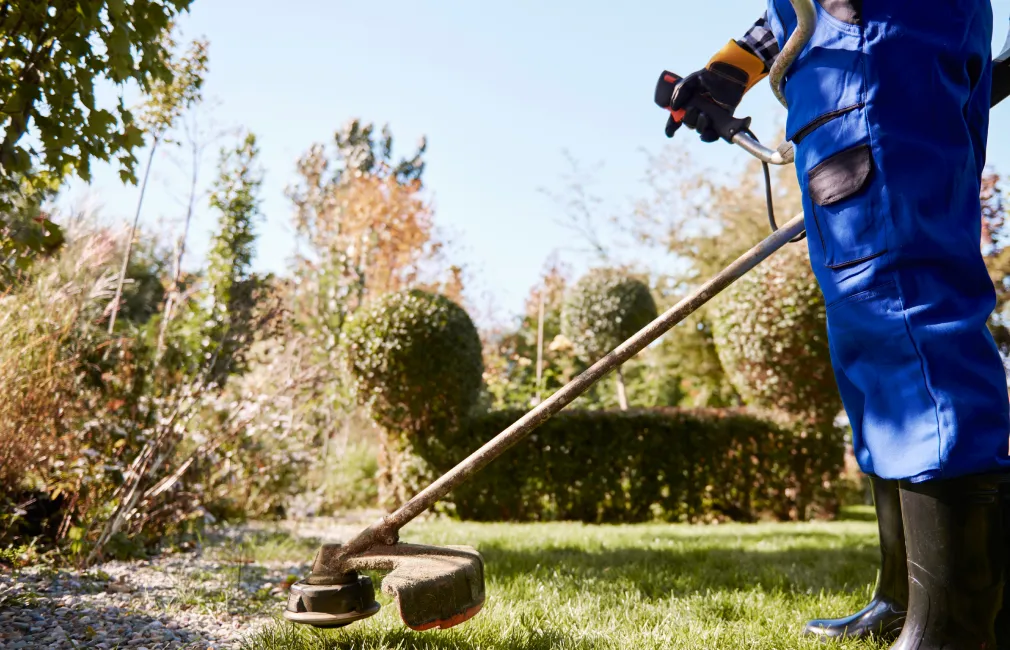
Warwick Hedging Types

Boxwood Hedges
-
Privet Hedges
-
Laurel Hedges
-
Yew Hedges
-
Beech Hedges
-
Hornbeam Hedges
-
Holly Hedges
Our Hedging Process
Consultation and Planning
Site Preparation
Precision Trimming
Cleanup and Inspection
Why Choose Warwick Landscape Services
-
Warwick Homeowners Trust Us
-
Expert Lawn Maintenance
-
Reliable Seasonal Care
-
Competitive Pricing
-
Professional Team
-
Satisfaction Guarantee
-
Personalized Service
Hedging and Warwick’s Glacial Till Soils: Site Preparation and Plant Selection
Hedging in Warwick requires careful consideration of the city’s predominant glacial till soils, which are typically rocky, moderately acidic (pH 5.5-6.5), and often poorly drained. Before installation, it is recommended to conduct a soil test through the University of Rhode Island Cooperative Extension (typical cost: $15-25) to determine pH and nutrient levels. For optimal hedge establishment, amend soils by incorporating 2-3 inches of compost to a 6-inch depth and apply lime if pH is below 6.0. Select species tolerant of local conditions, such as inkberry holly (Ilex glabra), northern bayberry (Myrica pensylvanica), and American arborvitae (Thuja occidentalis). Spacing should be 18-24 inches apart for dense screening. Research local soil series using the USDA Web Soil Survey to tailor amendments and drainage solutions for each site.
Municipal Regulations for Hedge Height, Setbacks, and Permits in Warwick
Warwick’s municipal code regulates hedge height and placement, especially near intersections and property lines. Hedges in front yards are typically limited to 3 feet in height within 25 feet of street intersections to maintain sightlines. Side and rear yard hedges may reach up to 6 feet, but must be set back at least 2 feet from property lines unless otherwise specified by zoning. For properties within historic districts or conservation areas, additional review by the Planning Board may be required. Permit applications for new hedges or significant alterations can be submitted to the Building Department; standard review time is 5-10 business days, with a typical fee of $25-50. For full ordinance details, consult the Warwick RI City Code & Ordinances.
Warwick RI Building Department
3275 Post Road, Warwick, RI 02886
Phone: (401) 738-2007
Official Website: Warwick RI Building Department
Environmental Compliance: Wetland Buffers and Stormwater Protection in Warwick
Hedging projects near Warwick’s wetlands, streams, or conservation lands must comply with both city and state environmental regulations. A 25-foot no-disturbance buffer is required from the edge of any wetland, and no fertilizer or pesticide application is permitted within 50 feet of water bodies. Warwick is subject to MS4 stormwater permit requirements under the Clean Water Act, which prohibit yard waste, clippings, or soil from entering storm drains. The Rhode Island Environmental Rights Act further mandates protection of sensitive areas. For guidance on buffer zones and compliance, contact the Wildlife & Conservation Commission.
Warwick RI Wildlife & Conservation Commission
3275 Post Road, Warwick, RI 02886
Phone: (401) 738-2000
Official Website: Warwick RI Wildlife & Conservation Commission
Equipment Operation Hours and Safety Standards for Hedging in Warwick
Operation of power hedge trimmers and related equipment in Warwick is regulated by city noise ordinances. Permitted hours are:
- Monday-Friday: 7:00 AM - 7:00 PM
- Saturday: 8:00 AM - 6:00 PM
- Sunday and holidays: Prohibited All equipment must be maintained with functional mufflers, and noise levels should not exceed 85 decibels at property lines. Operators are required to wear ANSI Z87.1 safety glasses, hearing protection for equipment over 85 dB, and cut-resistant gloves. When working within 15 feet of public roads or sidewalks, high-visibility vests are mandatory. For work near public infrastructure, coordinate with the Department of Public Works.
Warwick RI Department of Public Works
925 Sandy Lane, Warwick, RI 02889
Phone: (401) 738-2000
Official Website: Warwick RI Department of Public Works
Seasonal Timing and Climate Considerations for Hedge Maintenance in Warwick
Warwick’s USDA Hardiness Zone 6b-7a climate dictates optimal timing for hedge planting and maintenance. New hedges should be installed between April 15 and June 1, when soil temperatures reach 50-60°F, or from September 1 to October 15 before the first frost (typically late October). Pruning of established hedges is best performed in late winter (February-March) before bud break, or immediately after flowering for spring-blooming species. Avoid heavy pruning during summer heat (July-August) to reduce plant stress. Monitor local weather forecasts through the National Weather Service Boston/Norton office for frost advisories and rainfall patterns that may affect scheduling.
What Neighborhoods Do We Serve Throughout Warwick, RI?
- Pawtuxet Village: Historic district with mature landscaping, narrow lots, and proximity to Pawtuxet River, requiring careful buffer compliance and compact equipment for access.
- Cowesett: Features larger lots and established hedges, with well-drained soils but occasional slope challenges affecting runoff and maintenance.
- Oakland Beach: Coastal area with sandy soils, salt exposure, and high water table, necessitating salt-tolerant species and attention to drainage.
- Apponaug: Urban core with mixed-use zoning, traffic constraints, and frequent utility easements, requiring coordination for safe equipment operation.
- Greenwood: Suburban neighborhood with moderate tree cover, typical glacial till soils, and HOA guidelines influencing hedge height and placement.
- Norwood: Residential area with smaller lots, older infrastructure, and occasional wet spots, demanding careful site assessment for drainage and access.
- Potowomut: Bordering conservation land and Greenwich Bay, with environmental sensitivities, wetland buffers, and wildlife considerations impacting hedging practices.