
Warwick Brush Removal Services
Choose our brush removal experts for fast, reliable, and eco-friendly clearing that transforms overgrown areas into safe, usable land—perfect for your next project or a tidier property.
Get a Free QuoteOur Warwick Landscaping & Yard Care Services
When to Schedule Brush Removal in Warwick, Rhode Island – Seasonal Guide
In Warwick, Rhode Island, the best times for brush removal are typically late winter through early spring and again in late fall. These periods align with the region’s climate patterns, including the last frost dates and the onset of new growth. Removing brush before spring allows for easier access to overgrown areas, especially in neighborhoods like Cowesett and Buttonwoods, where mature trees and dense undergrowth are common. Late fall is also ideal, as most vegetation has gone dormant and the risk of disturbing nesting wildlife is minimized.
Local environmental factors play a significant role in determining the optimal schedule. Warwick’s proximity to Narragansett Bay means higher humidity and occasional coastal storms, which can accelerate brush growth and increase debris. Soil types vary from sandy near Oakland Beach to heavier clay in areas like Apponaug, affecting both brush density and removal methods. Homeowners should also consider municipal guidelines and seasonal restrictions, which can be found on the city’s official website, to ensure compliance and avoid fines.
Local Factors to Consider for Brush Removal in Warwick
- Tree density and species common to your neighborhood
- Terrain challenges, such as slopes or wetlands
- Average precipitation and risk of drought
- Shade coverage and sunlight exposure
- Local frost dates and growing season length
- Municipal restrictions or scheduled collection dates
Benefits of Brush Removal in Warwick

Enhanced Curb Appeal
Improved Property Safety
Prevention of Pest Infestations
Increased Usable Space
Healthier Landscape Growth
Efficient and Reliable Service
Warwick Brush Removal Types

Manual Brush Clearing
-
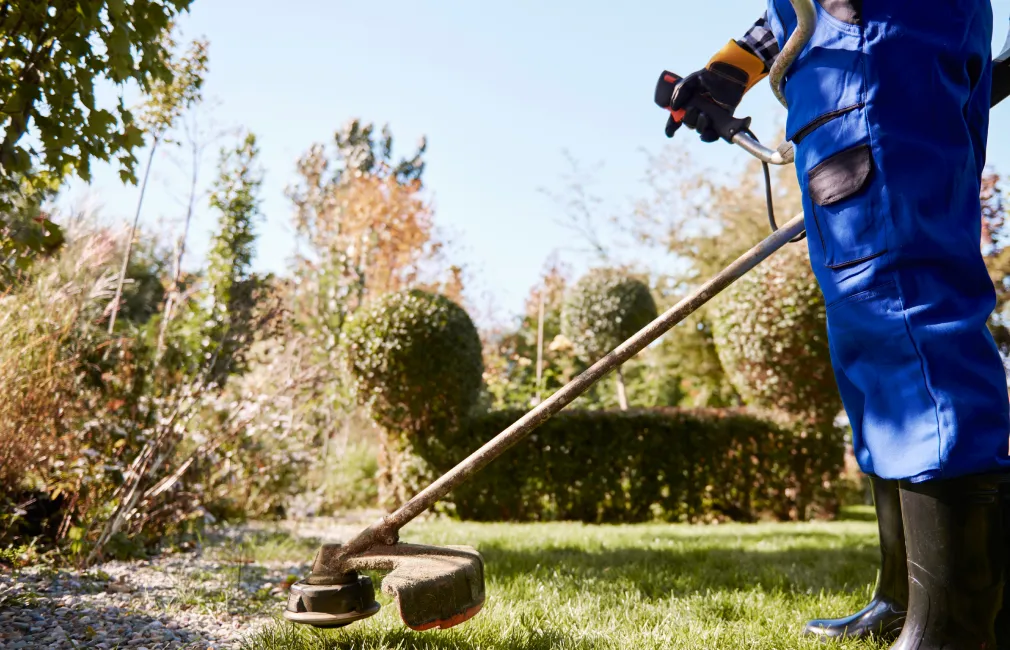
Mechanical Brush Removal
-
Forestry Mulching
-
Selective Brush Cutting
-
Stump Grinding
-
Land Grading and Leveling
-
Debris Hauling and Disposal
Our Brush Removal Process
Site Evaluation
Safety Preparation
Brush Clearing
Debris Removal
Final Inspection
Why Choose Warwick Landscape Services

-
Warwick Homeowners Trust Us
-
Expert Lawn Maintenance
-
Reliable Seasonal Care
-
Competitive Pricing
-
Professional Team
-
Satisfaction Guarantee
-
Personalized Service
Municipal Brush Collection and Disposal Procedures in Warwick
Brush removal in Warwick is governed by city-specific collection schedules and disposal protocols to ensure compliance with local ordinances and environmental standards. The Department of Public Works oversees curbside brush collection, which typically occurs every Thursday from April through November. Residents must prepare brush in bundles no longer than 4 feet and use biodegradable twine; plastic bags and branches over 4 inches in diameter are prohibited. Acceptable containers include reusable bins up to 32 gallons. All debris must be placed curbside by 7:00 AM on collection day. For large volumes or off-schedule pickups, residents may utilize the city’s transfer station. Permit requirements apply for commercial or large-scale brush removal, with application fees ranging from $25 to $75 and a review period of 5-10 business days.
Warwick RI Department of Public Works
925 Sandy Lane, Warwick, RI 02889
Phone: (401) 738-2000
Official Website: Warwick RI Department of Public Works
Environmental Compliance for Brush Removal Near Warwick Wetlands and Waterways
Warwick’s proximity to Greenwich Bay, Buckeye Brook, and extensive wetland areas requires strict adherence to environmental regulations during brush removal. The city enforces a 25-foot no-disturbance buffer from all wetlands and water bodies, in accordance with the Rhode Island Environmental Rights Act and the federal Clean Water Act. The city’s MS4 permit prohibits dumping brush or debris into storm drains or waterways. When working near protected areas, operators must use erosion control measures such as silt fencing and avoid heavy equipment within buffer zones. Violations may result in fines or remediation orders. For guidance on sensitive area compliance, consult the Wildlife & Conservation Commission.
Warwick RI Wildlife & Conservation Commission
3275 Post Road, Warwick, RI 02886
Phone: (401) 738-2000
Official Website: Warwick RI Wildlife & Conservation Commission
Warwick’s Predominant Soil Series and Site Considerations for Brush Removal
Warwick’s soils are primarily classified as Newport and Hinckley sandy loams, with areas of Scituate and Ridgebury fine sandy loam, according to the USDA Web Soil Survey. These soils are moderately acidic (pH 5.5-6.5) and often poorly drained, especially in low-lying neighborhoods. Brush removal in these conditions requires minimizing soil compaction and rutting, particularly after heavy rainfall. Operators should avoid using heavy equipment when the water table is within 12-18 inches of the surface. For sites with excessive brush or invasive species, mechanical removal should be followed by soil stabilization using mulch or native groundcover. Soil testing is recommended prior to replanting or restoration, with services available through the University of Rhode Island Cooperative Extension.
- Common soil series: Newport, Hinckley, Scituate, Ridgebury
- Typical pH: 5.5-6.5
- Poor drainage in low-lying areas
- Avoid equipment use after rainfall or when soil is saturated
Equipment Operation Hours and Safety Standards for Brush Removal in Warwick
Warwick enforces municipal noise ordinances and safety standards for all brush removal activities. Equipment operation is permitted during the following hours:
- Monday-Friday: 7:00 AM - 7:00 PM
- Saturday: 8:00 AM - 6:00 PM
- Sunday and holidays: Prohibited All operators must use commercial-grade equipment with functioning mufflers, and noise levels must not exceed 85 decibels at property lines. Personal protective equipment (PPE) is mandatory, including ANSI Z87.1 safety glasses, hearing protection for noise above 85 dB, steel-toed boots, and cut-resistant gloves. When working within 15 feet of public roads or utilities, high-visibility vests and traffic control measures are required. For projects involving large brush piles or work near public infrastructure, coordinate with the Engineering Division for site safety reviews.
Warwick RI Engineering Division
925 Sandy Lane, Warwick, RI 02889
Phone: (401) 738-2000
Official Website: Warwick RI Engineering Division
What Neighborhoods Do We Serve Throughout Warwick, RI?
- Apponaug: Central business district with compact lots and mature trees; brush removal often requires careful coordination due to narrow streets and proximity to wetlands.
- Cowesett: Residential area with larger lots and mixed woodland; soils are moderately well-drained, but heavy brush can accumulate along property lines and conservation easements.
- Oakland Beach: Coastal neighborhood with sandy soils and high water table; brush removal must account for floodplain regulations and limited equipment access.
- Greenwood: Suburban area with established landscaping and moderate tree density; frequent brush collection needed after storms due to overhead utilities.
- Norwood: Older neighborhood with smaller lots and compacted soils; access for equipment may be restricted, requiring manual removal methods.
- Potowomut: Bordering conservation land and salt marshes, this area has strict buffer requirements and sensitive habitats, necessitating compliance with environmental ordinances.
- Hillsgrove: Industrial and mixed-use district with variable soil conditions; brush removal may involve coordination with commercial property owners and adherence to city code.